Why Third-Party Logistics is Quietly Rewriting the Rules of Global Trade
Global trade doesn't really run on ships and trucks anymore. It runs on coordination. As supply chains stretch further across borders, more businesses are leaning on specialised partners just to keep goods moving without constant hiccups. That's where third-party logistics comes in – and it's changing how the world trades, one shipment at a time.
What Is Third-Party Logistics, Really?
Third-party logistics, or 3PL, is basically outsourcing the messier parts of a supply chain – warehousing, transport, freight forwarding, and customs paperwork – to partners who already know how to run them. Instead of building all that infrastructure themselves, companies hand it off to firms with the networks and systems already in place. It's not really about losing control. It's more about buying flexibility: scaling up during busy seasons, breaking into new markets faster, and skipping the cost of owning a fleet of trucks you'll only need half the year.
A Shift Toward Leaner, Smarter Supply Chains
There's a lot of pressure on businesses right now to move goods quickly without costs spiralling. That pressure is exactly why so many are rethinking what they handle in-house versus what gets outsourced. Companies like Advantis have grown around this shift, working with manufacturers and retailers who'd rather not run every link of the chain themselves. It's part of a bigger pattern across the industry- logistics isn't treated as an afterthought anymore. It's its own specialised discipline.
Why Outsourcing Logistics Makes Business Sense
And this is really where the value of third-party logistics providers shows itself. By spreading resources across multiple clients, these providers can offer warehousing, transport routes and customs know-how at a scale most companies couldn't justify building on their own.Smaller businesses suddenly get access to infrastructure that used to be reserved for the big players, and larger companies free up capital for things that actually need it. The playing field gets a little more level – efficiency stops being about fleet size and starts being about who you're partnered with.
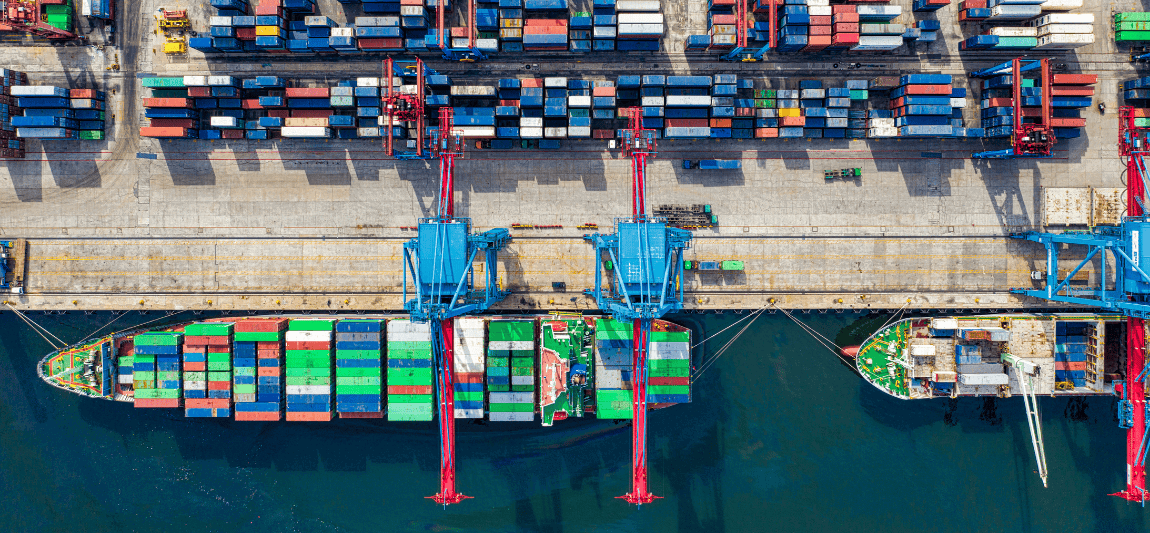
Image via advantis
Technology Is Raising The Bar
Logistics today runs on data, plain and simple. Real-time tracking, automated warehousing, predictive route planning – none of that is a nice-to-have anymore; it's expected. That's pushed logistics partners to pour money into digital systems that let businesses see exactly where a shipment is at any given moment, from the factory floor to someone's front door. Fewer delays, fewer errors, and a much faster response when something goes wrong, whether that's a port backlog, bad weather, or demand spiking out of nowhere.There's a planning benefit too. Instead of scrambling once a shipment is already late, businesses working with data-savvy partners can often see trouble coming and adjust before it gets expensive. Over time, that kind of early warning becomes less of a perk and more of a genuine edge.
The Bigger Picture: Trade Efficiency At Scale
Zoom out far enough, and the effect is even bigger. Smooth logistics doesn't just help one company – it strengthens entire trade networks. Goods get to market faster, inventory costs shrink, and businesses can actually keep pace with demand instead of lagging behind it. That reliability adds up, making global trade a little less fragile in the face of the kind of bottlenecks that have caused real headaches in recent years.It changes growth plans too. Entering a new market used to mean months of building local infrastructure from the ground up. With a logistics partner already established there, that timeline shrinks, and expansion stops feeling like such a gamble.
Why it matters going forward
As global trade keeps getting more complicated, the businesses that come out ahead will be the ones treating logistics as a genuine advantage rather than just another cost line. Third-party logistics gives them a real way to do that- pairing specialised know-how, established networks, and steadily improving technology to keep goods moving, wherever they're headed.
