Why Bulk Cargo Handling Is Far More Complex Than Most People Outside the Shipping Industry Ever Realise
When people think about shipping, they often picture containers stacked on giant vessels crossing oceans. Bulk cargo is different. Ships don’t transport products in containers; they carry huge quantities of loose materials. Coal, grain, fertiliser, cement, iron ore and salt are common examples. These goods travel in massive volumes and require their own handling methods. From a distance, the process can look simple. Load the cargo onto a ship, transport it and unload it at the destination. The reality looks very different. Each phase requires planning, timing and attention to detail. A minor error can postpone operations, destroy cargo, or boost expenses. That is why bulk cargo handling remains one of the most demanding areas of the shipping industry.
What Makes Bulk Cargo Different?
Bulk cargo does not arrive neatly packaged. It is sold as loose material that needs to be loaded straight into a ship's cargo holds. Take grain, for example. A shipment might be tens of thousands of tonnes travelling from one country to another. The cargo needs to be kept clean and dry throughout the trip. Even minor contamination can create problems for buyers. Coal is different. Some grades can generate heat while in transit, and crews must monitor conditions during the voyage. Each cargo type brings its own requirements. There is no single process that works for everything, and an experienced logistics company such as Advantis understands all of this well.
Loading a Ship Takes More Than Moving Material
Loading operations often begin long before the vessel reaches port. Terminal operators need information about cargo volume, cargo type, vessel size and loading schedules. Once loading starts, balance becomes critical. Imagine filling one side of a ship faster than the other. The vessel can start to heel. To avoid this, operators use certain loading plans to distribute the weight across the ship. Equipment operators, supervisors and vessel crews work together throughout the process. What may look like a simple task can take hours of coordination.
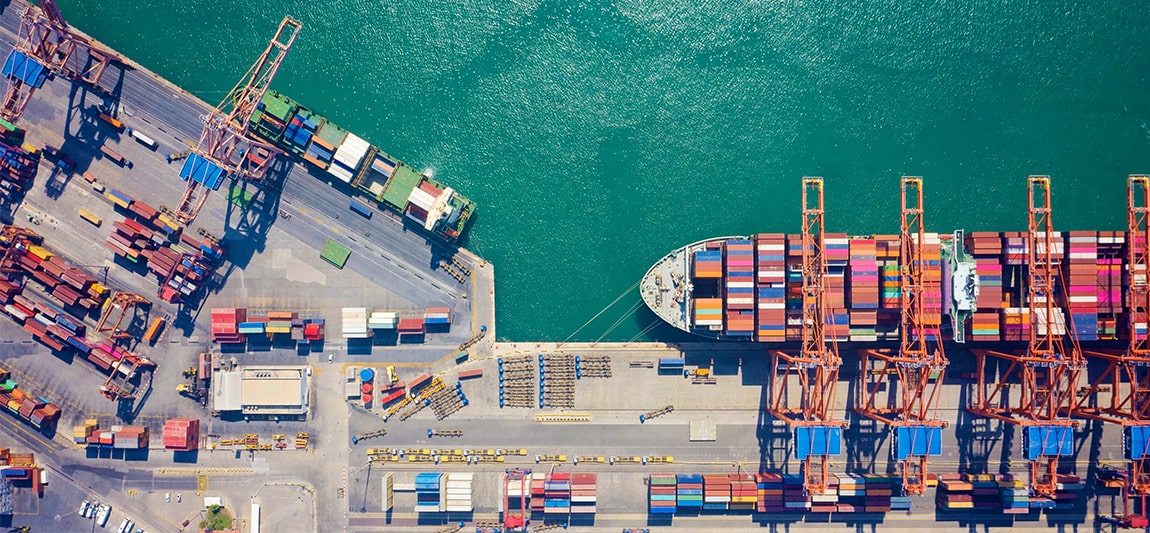
Image via Hayleys Advantis Limited
Weather Can Change Everything
Bulk cargo operations depend heavily on weather conditions. Rain creates problems for products such as grain, sugar and cement. Strong winds can affect loading equipment. Rough seas may delay vessel arrivals or departures. A shipping schedule may look perfect on paper. Then the weather changes the plan overnight. Ports and operators must adapt quickly. That flexibility plays a major role in keeping cargo moving.
Storage Requires Careful Management
Cargo does not always move straight from the supplier to the vessel. The shipments are stored until they are shipped out, and during that time, the operators must ensure that the cargo is safe and of good quality. Sub-standard storage conditions could attract pests to the grain. Minerals can become contaminated if different products mix together. Fertilisers may react poorly to moisture. Storage sounds like a simple waiting period. In practice, it forms an important part of the supply chain.
Safety Remains a Constant Priority
Bulk cargo handling involves heavy machinery, large volumes of material and busy working environments. Conveyor systems move thousands of tonnes every hour. Cranes pick up huge loads. Workers work around moving equipment all day long. Without clear procedures, risks rise quickly. That’s why ports invest heavily in training, inspections and operational controls. One incident can affect workers, cargo and vessel schedules. Safety influences every decision made during handling operations.
Timing Affects More Than You Might Expect
Ships earn money when they move cargo. When vessels remain waiting in port, costs begin to rise. A delay of several hours may seem minor. For shipping companies, cargo owners and terminal operators, those delays can have financial consequences. Picture a ship arriving before the cargo is ready. The ship waits. Crew schedules change. Future port bookings may need adjustment. One delay often affects several parts of the chain. That is why coordination matters so much in bulk shipping.
Technology Helps, but Human Experience Still Matters
Ports now use tracking systems, monitoring equipment and planning software. These tools offer valuable information. Equipment can tell us how much cargo is on board or how fast we are loading, but it’s still people making the decisions when things change. A sudden weather shift, equipment issue or scheduling conflict often requires judgement that software alone cannot provide. Experience continues to play a major role.
Why Most People Never See the Full Picture
Bulk cargo operations usually happen away from public view. Operations take place in ports, terminals and industrial areas that most travellers never visit. As a result, many people only see the finished product. Bread arrives at supermarkets. Steel reaches construction projects. Fertilisers arrive at farms. The complex movement behind those deliveries often goes unnoticed. Yet every successful shipment depends on planning, storage, loading, safety controls, weather monitoring and coordination between many different teams. That is what makes bulk cargo operations far more complicated than it appears. What looks like moving material from one location to another is actually a chain of decisions that must work together from start to finish. When those decisions go right, cargo reaches its destination on schedule and in good condition. When they go wrong, the effects can spread across an entire supply chain.
