Why is integrated logistics noted as a preferred choice for supply chains today?
Global supply chains are under increasing pressure as businesses source materials, manufacture products and distribute goods across multiple countries. As transportation costs continue to rise, global trade regulations are changing. Therefore, congestion and delays are some unavoidable challenges that ports are facing. Many organisations are addressing this issue by employing integrated logistics into their network to increase efficiency and operational performance.
Simplifying supply chain operations
When you are faced with the task of handling multiple logistics partner relationships, it is likely that you will get confused. Businesses need to work with different providers for transport, warehousing and customs clearance, among other things. Each of these additional providers increases the risk of delay and communication failure, not to mention operational mistakes. This is where integrated logistics offers a clear advantage. It brings all the elements of the supply chain together into one coordinated system. This way, companies will benefit from dealing with only one integrated logistics network without having to deal with the tedious task of working with different entities. This process simplifies interactions and allows for more efficient control of operations. Additionally, there are fewer administrative tasks and transactions to deal with as well. Companies can also respond to issues quickly once they have noted where they are emerging from. Therefore, these firms will have access to complete visibility throughout all the stages of the supply chain once integrated logistics has been implemented into their daily work schedule.
Improving smarter decision-making tactics and visibility
Real-time visibility is an important aspect in effective supply chain management. Integrated logistics providers use features like digital tracking systems that allow businesses to monitor shipments throughout their journey. This process helps businesses identify potential problems early before they become major disruptions. Therefore, they are able to adjust transport routes, inventory levels and delivery schedules as the conditions change. For example, businesses can increase stock before seasonal demand or reroute shipments if delays occur. They will also be able to ensure on-time delivery of items to the customers. Companies like Advantis offer comprehensive supply chain solutions by creating added transparency among transportation, warehousing and delivery. The integrated logistics services provided by this company open doors to greater transparency across transportation, warehousing and distribution via third-party logistics (3PL). This presents large-scale footprint storage. They also offer temperature-controlled environments, free zone operations for regional trade and bonded storage facilities.
Reducing costs through coordination
Integrated logistics also helps businesses reduce operating costs. Time-wasting and unnecessary costs can also be cut back as every part of the logistics process works in harmony. It makes the transport and storage activities more efficient and less wasteful by reducing fuel consumption and warehouse costs. Supporting just-in-time delivery and error-free order operation, this method aims to promote customer trust in the company.
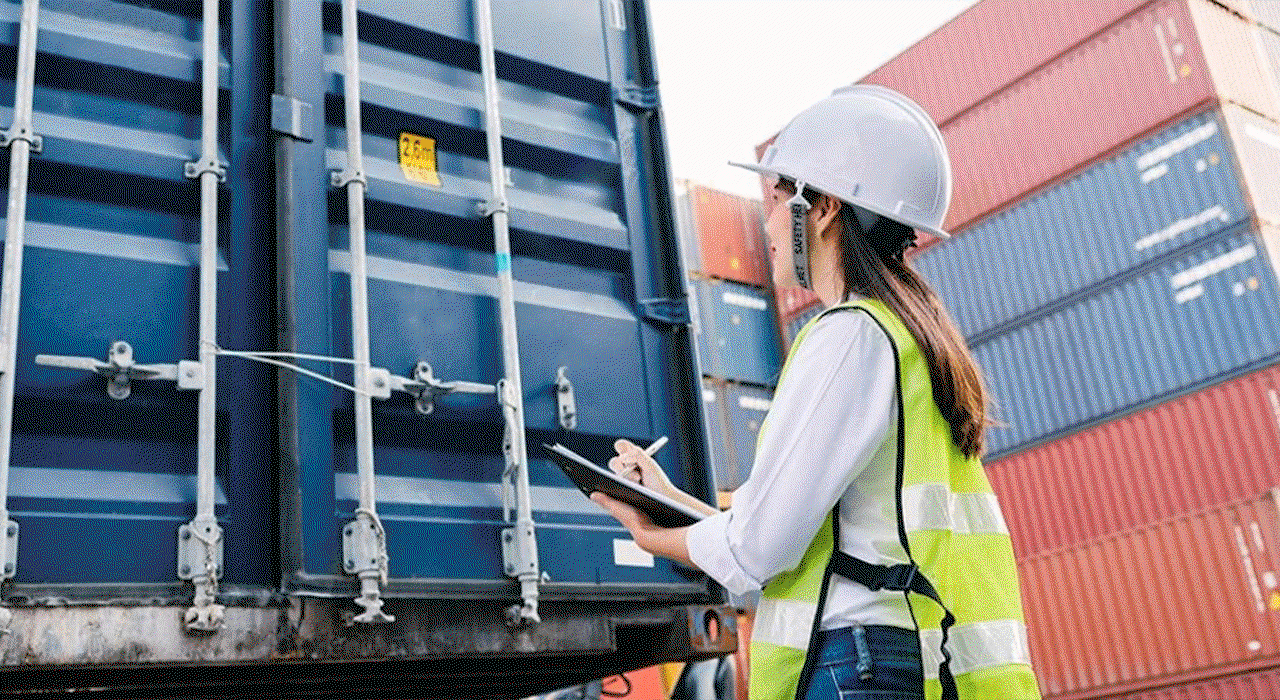
Image via Hayleys Advantis Limited
Building supply chain resilience
The worldwide internet has revealed the delicate side of the supply chain. These issues can affect a business directly. Integrated logistics enables companies to cope with these problems. It allows them to quickly research alternative shipment routes or transportation methods and to effectively communicate with their suppliers. This method aids them in making optimum decisions when these issues arise. As they are cohesive, organisations can most likely get back on their feet quickly.
Sustainable green practices
Similar to the insatiable hunger for cost reduction and control is green demand. Integrated logistics can help you cut fuel consumption and make transportation more efficient. This helps organisations ensure that they are reducing their carbon footprint and minimising energy consumption. As supply chains become more and more complicated, integrated logistics will be more than a competitive necessity. It would help businesses with supply chain visibility, cost reductions, reducing susceptibility to disruption and maintaining environmental sustainability.
