Why the Maldives Weather Matters When Planning Excursions and Adventures
While the Maldives can be an ever-beautiful destination all year round, its tropical climate actually plays an important role in determining your holiday experience in this destination. Knowing the seasonal climate conditions can help you plan your activities in this destination.
Understanding the Maldives Climate at a Glance
The Maldives has a warm and tropical climate with an average temperature ranging between 26°C and 31°C. The climate in the Maldives is governed by two monsoons, namely the northeast monsoon, which is dry, and the southwest monsoon, which is wet. Though this region receives plenty of sun all year round, wind speeds, precipitation, and ocean states differ considerably depending on the season. The understanding of this climatic factor is crucial as tourists are in a position to strategise their tours in accordance with climatic conditions rather than depending upon luck.
Dry Season Adventures: Serene Seas & Sunny Skies
The Maldives gets its dry season from December to April, during which the climate is marked by less rainfall, peaceful ocean conditions, and clear visibility. This is the best period for activities such as snorkelling, diving, dolphin sighting, and boat tours. Such a low tide environment also increases the safety of all kinds of activities that involve the lagoons, including for families with young, non-swimmer children. This season is preferred by many tourists, as any outdoor activities scheduled are less likely to be interfered with by the weather.
Travelling During the Wet Season: Fewer People and Exclusive Moments
The rainy season occurs between May and October, with higher humidity, rainy showers, and stronger wind gusts. Yet, the downpours are normally intermittent, with plenty of sunny breaks in between. This period is ideal for surfing since the ocean is filled with stronger waves. Additionally, it's a less busy time to take holidays, with fewer people and affordable prices. Maldives holiday weather during the rainy season will result in higher humidity levels with occasional showers, stronger wind gusts, and higher tides. Although the showers are normally intermittent, with plenty of sunny breaks in between, the period will experience stronger surfs, making it the best period to engage in surfing.
Weather’s Impact on Snorkelling and Diving Conditions
The weather directly impacts the visibility under the water and the activity conducted. The dry season has calmer waters, which are ideal for exploring and picture-taking under the water. The visibility under the water is slightly compromised during certain months in the wet season due to the increased presence of plankton, which in turn increases the presence of manta rays and whale sharks. The decision of which season to travel is primarily based on the encounters that are desired.
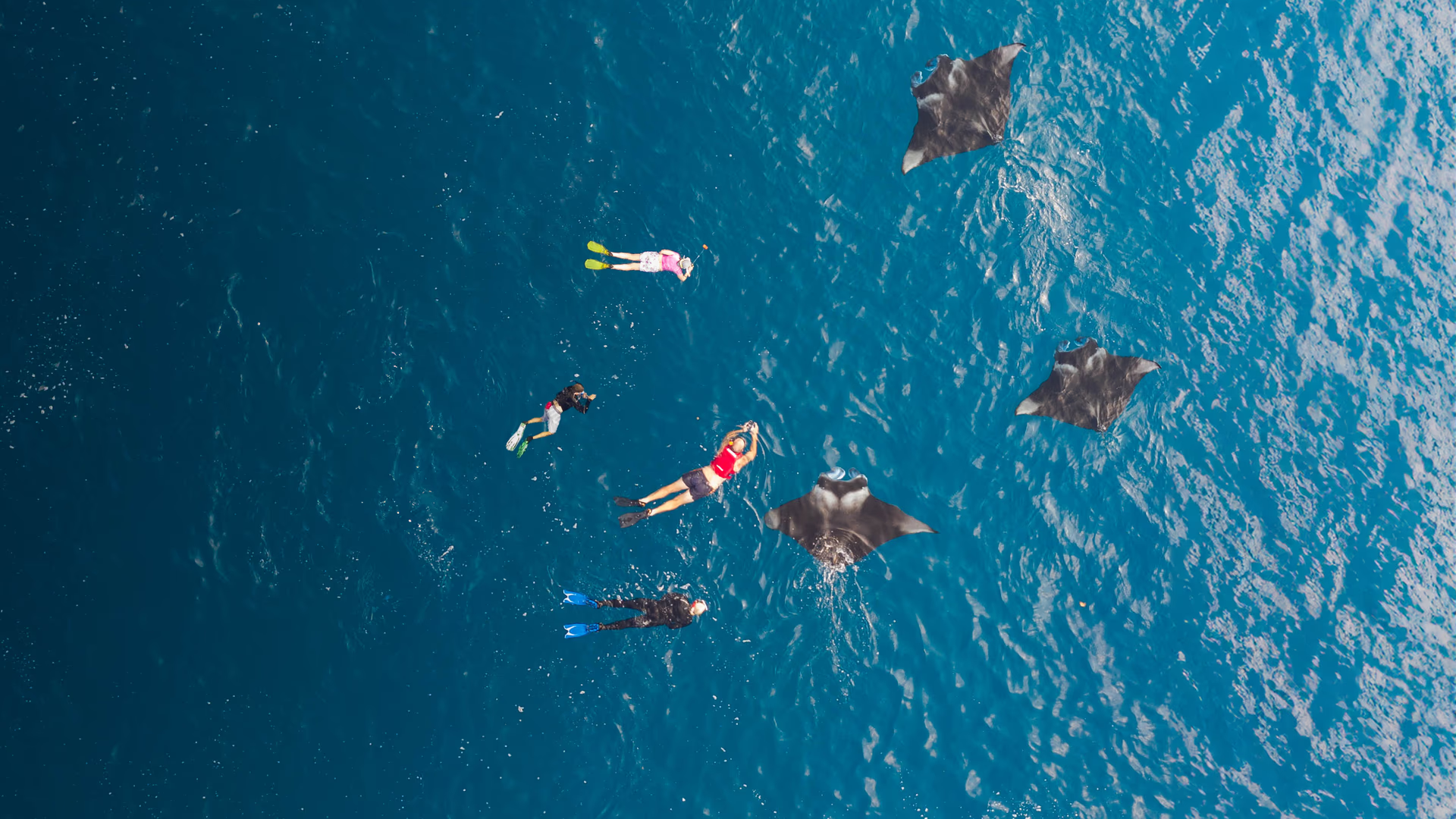
Image via Adaaran Prestige Water Villas
Planning Island Excursions and Boat Trips
Water-based tourist activities, including island hopping, fishing, and dolphin watching, can be severely affected by the weather. A flat sea will provide a smoother journey, while strong winds can cause turbulence in the sea, thereby restricting tourists from accessing some islands or sandbars. To be safe, some resorts, including Adaaran Prestige Water Villas, provide tourist activities according to the daily weather forecasts. It is, however, advisable to settle in resorts that have the best facilities, thereby offering tourists some discretion in choosing the best times for the tourist activities.
Weather Factors in Overwater and Beach Games
For a better experience at the overwater villas and the beach activities, the best weather would be the one with little to no wind and rain. This will allow guests to enjoy swimming, paddleboarding, and kayaking. Clear skies are ideal for relaxing at the beach and taking photos. On the other hand, if the condition of the overwater villas and the lagoon includes strong winds during the wet months, you will get to enjoy nice, cool temperatures.
How to Plan a Weather-Smart Maldives Itinerary
A well-structured schedule in the Maldives involves striking a balance between being flexible and being prepared. It is always essential to organise key activities in the Maldives when the weather is most likely to be favourable and leave other times free to spend as you wish in case the weather turns out to be different. Hotels in the Maldives usually contain activities to engage in in case the weather turns out to be bad. Additionally, rain and sunscreen that is safe for the reefs will allow you to be comfortable.
