Why Sustainability and Serenity Unite in the Maldives
The Maldives is a paradise that can’t be compared to any other on the planet. The gorgeous landscapes, the sandy beaches, the plethora of water activities as well as luxurious accommodation options all tie into what makes the Maldives so amazing. In recent years, this archipelago has gained recognition for more than just its beauty. The Maldives has become a country leading the world when it comes to sustainable tourism, showing the world that environmental care and luxury can not only coexist but strengthen one another. At the heart of this transformation are resorts proving that the concept of an eco friendly resort in Maldives is not just a marketing strategy but a genuine philosophy of hospitality that works. Here are some reasons why the Maldives is leading the way in sustainable tourism.
The Shift Towards Responsible Travel
Tourism is one of the mainstays of the Maldivian economy, but the country’s small islands and fragile ecosystems were also at great risk as a result of tourism. Rising sea levels, coral bleaching and waste disposal challenges that arose as a result of the toll of tourism made sustainability a necessity. This is why the Maldivian government, together with forward-thinking resorts, have placed sustainable tourism at the core of its future. Visitors are now encouraged to take part in conservation efforts, choose responsible accommodation, respect marine life, and learn about local culture.
Marine Conservation as a Priority
The ocean is the lifeline of the Maldives, and protecting it has become a central pillar in the interest of sustainability. Coral reefs are not only stunning but also crucial for the marine biodiversity to thrive. Recognising this, many resorts have partnered with NGOs and local communities to safeguard reefs. At resorts like Amilla Maldives, conservation efforts go above and beyond simple symbolic gestures. Certain resorts even actively participate in coral regeneration projects, where broken fragments of such coral are nursed back to health to form colonies again. Turtle nesting areas are monitored, and reef fish populations are managed to ensure that the ecosystem maintains balance.
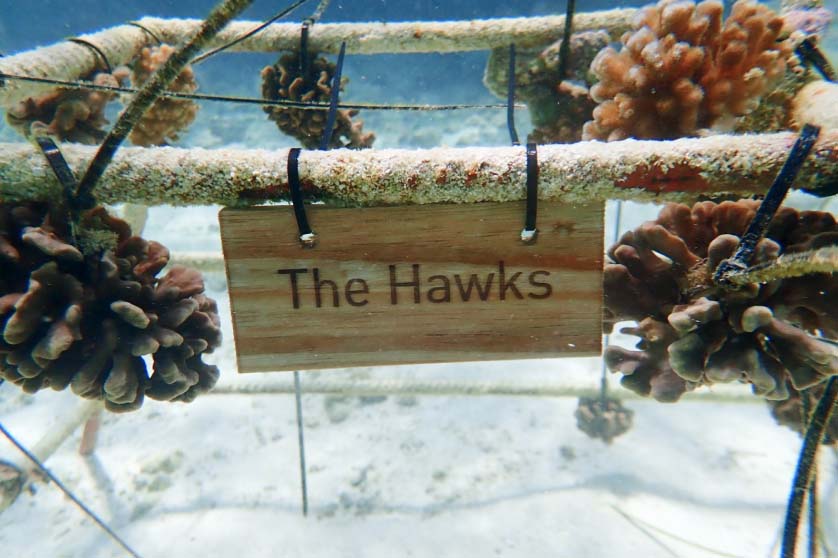
Image via Amilla Maldives
Reducing Waste and Plastic Dependence
A challenge that many island resorts face is the constant accumulation of garbage and waste. With quite a limited amount of land and high levels of imports, single-use plastics and discarded materials can quickly overwhelm small islands. Resorts across the Maldives have made significant progress by eliminating plastic bottles, straws and disposable bathroom amenities. Some resorts have even gone out of their way to create waste management plants on the islands to contain the waste being produced on a daily basis. Here, glass is crushed for reuse in construction, food waste is composted, and plastics are compacted for recycling. Drinking water is produced on-site using reverse osmosis, stored in refillable glass bottles, and distributed across the property.
Local Food Production and Ethical Sourcing
The Maldives has been known to import a good chunk of its food, which in turn drives up costs and contributes to carbon emissions. Some resorts have begun to strategically reduce their need to rely on imports by growing produce on the island itself. Green gardens and hydroponic systems supply vegetables, herbs and fruit. Coconut trees on the islands are harvested for multiple uses, ranging from oil and milk to even fibres needed for rope making. There are even chicken enclosures that provide fresh eggs for the kitchens to function with no hassle. This approach not only ensures fresher food for guests but also minimises packaging waste and the emissions linked to imports.
Inclusivity and Cultural Respect
While many countries focus on environmental preservation, the Maldives goes further than that when it comes to sustainable tourism. Inclusive travel has recently become another area of focus when it comes to sustainability, ensuring that all guests, regardless of mobility or other needs, can experience the islands with dignity. Certain resorts that’ve received such certification have staff trained to assist guests with a wide variety of requirements, and the resort’s design incorporates accessible pathways, rooms and facilities. Such measures allow sustainability to extend beyond environmental protection, embracing social responsibility as well.
