Why Safety Matters in Terminal Operations - The Foundation of Reliability in High-Pressure Environments
Terminal operations sit at the intersection of people, heavy machinery, vehicles, cargo, and tight schedules. Whether handling containers, bulk goods, fuel, or passengers, terminals operate in environments where margins for error are slim, and consequences are immediate. Safety is not an abstract ideal here; it is the foundation that allows operations to function at all. When safety is embedded into terminal culture, workflows become predictable, teams operate with confidence, and disruptions are minimised. Without it, efficiency collapses, costs rise, and reputational damage follows fast.
Terminal Operations Carry Inherent Risk
Terminals are, by nature, high-risk workplaces. Cranes lift massive loads overhead, trucks and forklifts move continuously through shared spaces, and personnel work in close proximity to mechanical systems. Add weather exposure, time pressure, and shift-based fatigue, and the risk profile increases significantly. Safety matters because it is the only control mechanism that consistently mitigates these hazards. Clear protocols, physical safeguards, and behavioural discipline transform a potentially chaotic environment into one that is structured and manageable.
Protecting Human Life and Workforce Stability
At its core, safety is about people. Terminal staff rely on safe systems of work to return home unharmed at the end of each shift. Injuries or fatalities do not just affect individuals; they destabilise teams, erode morale, and place emotional strain on entire organisations. A strong safety culture signals respect for the workforce and reinforces trust between management and employees. When workers feel protected rather than expendable, engagement improves, turnover drops, and operational consistency strengthens.
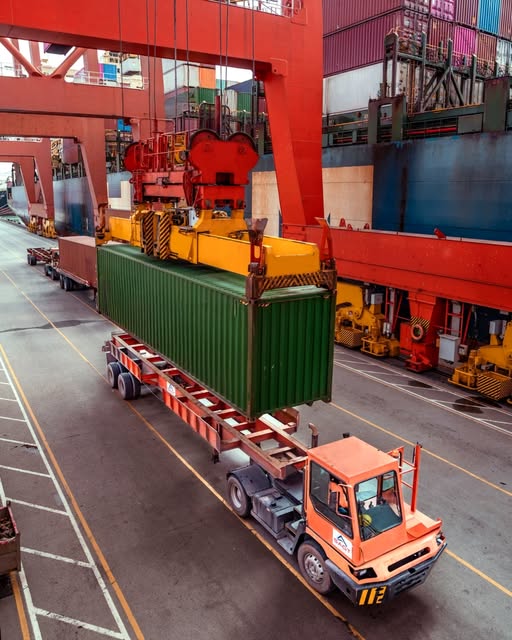
Image via SAGT Sri Lanka
Operational Continuity and Financial Performance
Safety failures carry direct operational and financial consequences. Accidents lead to shutdowns, investigations, equipment damage, cargo loss, and missed deadlines. Insurance premiums rise, regulatory scrutiny intensifies, and clients lose confidence. In contrast, safe terminals such as SAGT Sri Lanka operate more smoothly because risks are anticipated and controlled. Fewer incidents mean less downtime, better asset utilisation, safe cargo handling, and more reliable throughput.
Regulatory Compliance and Legal Accountability
Terminal operations are subject to strict national and international safety regulations. Failure to comply exposes operators to fines, licence suspensions, litigation, and even criminal liability. Safety matters because it anchors compliance in daily practice rather than last-minute documentation. More importantly, organisations protect themselves against legal exposure that can have long-term consequences for leadership, investors, and stakeholders. In heavily regulated environments, safety is inseparable from governance and risk management.
Safety as a Driver of Professional Discipline
Well-run terminals treat safety as a system, not a slogan. Clear signage, structured training, toolbox talks, and incident reporting mechanisms create a disciplined operational environment. This discipline carries over into other areas: better communication, clearer roles, and faster decision-making. When safety expectations are explicit, behaviours align more easily across teams and shifts.
The Role of Safety in Technology and Automation
As terminals adopt automation, digital tracking, and advanced machinery, safety becomes even more critical. Automated systems reduce human error, but they also introduce new risks if poorly integrated or misunderstood. Safety frameworks ensure that technology enhances operations rather than creating blind spots. Training, system redundancies, and clear human–machine interaction protocols are essential. Safety matters here because technology only delivers value when it operates within controlled, well-understood parameters. Otherwise, innovation becomes a liability.
Reputation, Trust, and Long-Term Sustainability
Terminal operators do not work in isolation. Shipping lines, logistics partners, regulators, and local communities all have a stake in safe operations. A strong safety record builds trust and signals professionalism to every stakeholder involved. Conversely, serious incidents attract public attention and can permanently damage credibility. In a competitive global logistics environment, reputation is a strategic asset.
Why Safety Is Non-Negotiable in Terminal Operations
Safety matters in terminal operations because it underpins everything else: people, performance, compliance, and trust. It is the difference between controlled complexity and operational chaos. When safety is treated as a core value rather than a regulatory checkbox, terminals become more resilient, more efficient, and more respected. In environments where the risks are real and the stakes are high, safety is not optional — it is the operating system that keeps the entire terminal running.
