What You Need to Know About Surfing in Maldives – Indian Ocean Thrills You Will Not Forget!
When you think “Maldives,” the first images that spring to mind are usually sun-kissed beaches, turquoise lagoons, and cocktails under palm trees. But here’s a little secret… this divine destination isn’t just for honeymooners and sun-seekers; it’s also a surfer’s dream. Whether you are a complete newbie or a wave-chasing pro, it offers unforgettable surf experiences that will keep you coming back year after year.
It’s A Hidden Gem Among Surfers
While places like Hawaii or Bali might dominate the global surf chat, the Maldives quietly serves up some of the best waves in the Indian Ocean. What’s more, you are not battling massive crowds to catch them. Out here, you can often find yourself with a near-empty line-up, trading waves with just a handful of fellow surfers. It’s the kind of setting where you can actually relax between rides instead of eyeing the next twenty surfers in line!
It Caters to Newbies and Pros Alike
The Maldives is wonderfully inclusive when it comes to surfing. Beginners (yes, even kids!) can take lessons on gentler breaks with professional instructors guiding them through the basics. If you are at the stage of honing your skills, there are plenty of mellow, forgiving waves to practise on.And for the pros? This is where the Maldives really turns heads. Picture yourself dropping into long, peeling barrels or taking on fast left-handers that test every move in your playbook. It’s a playground for all skill levels, which is rare and refreshing.
It Offers Diverse Destinations
The Maldives is made up of around 1,200 islands across numerous atolls, and each surfing spot has its own unique charm and challenge. North & South Malé Atolls: The most popular surfing zones, perfect if you want some serious wave time. In the peak season, experienced surfers come here for world-class conditions, while intermediates enjoy long, peeling rights and lefts. What’s more, those in search of the best surf resort in Maldives will find some great options at places like the North Malé Atoll.Central Atolls: These offer plenty of space. Fewer crowds, more room to explore, and lots of chances to come across your own slice of perfection.Southern Atolls: This gem boasts the widest swell window, catching swells from the southwest right around to the southeast. Of course, what this all means is that there’s more consistency and more opportunities on offer.
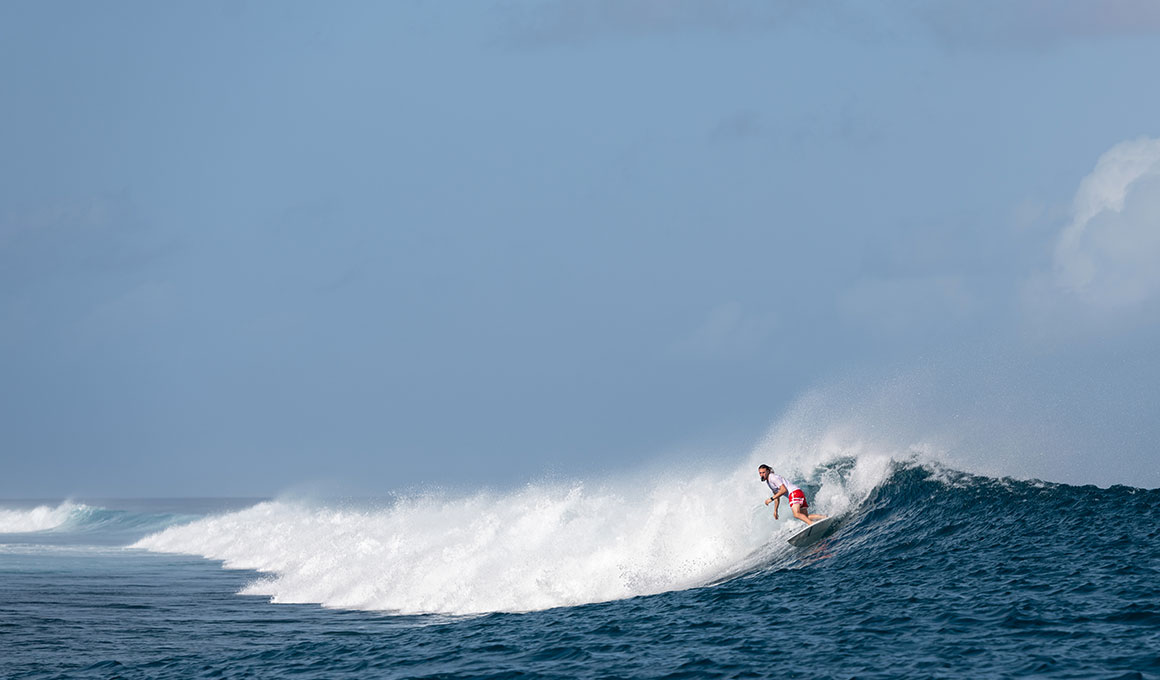
Image via Kuda Villingili
Diverse Waves, Diverse Challenges
For those who love names that carry surf history, the Maldives doesn’t disappoint either. For example, there’s Chicken’s in the North Malé Atoll; it’s the country’s longest left-hand barrel, named after a poultry farm that was once on a nearby island. Fast, lively, and totally exhilarating, it became famous in the 1970s when Aussie surfers shipwrecked nearby and rode its waves! Also in this atoll is Lohis, another popular surfing spot, which is powerful and “punchy”. Other highlights include Beacons in the Huvadhoo Atoll and the Ying Yang break in the Laamu Atoll. Each brings its own “personality” from mellow perfection to adrenaline-fuelled thrill rides.
Surfer-Friendly Resorts
Here’s the beauty of surfing in Maldives: you don’t have to sacrifice luxury to ride waves. Some resorts like Kuda Villingili sit right next to famous surf breaks (Chicken’s), so you can literally wake up, grab your board, and paddle out before breakfast!Don’t have gear? No problem. Such resorts rent surfboards and equipment and even offer lessons. Beginners can start with beach lessons to learn the basics of wave formation before graduating to guided water sessions with a private instructor. And if surfing hasn’t completely drained your energy, there are other adrenaline fixes on hand… wakeboarding, jet skiing, windsurfing and more!
It’s a Great Off-Season Activity
What’s also great is that the best time to surf here (April to October) is technically the off-season in the Maldives. This is when the south swells meet prevailing west and southwest winds, lighting up the Male Atolls with epic waves. That means fewer general tourists and often lower resort rates, while you get the cream of the surf action. March and November are considered transition months, but don’t write them off either because they can surprise you with thrilling sessions and a blissful lack of crowds. For surfers, “off-season” might just be the best season of all!
