What Makes Quy Nhon’s Seafood One of Vietnam’s Best Culinary Experiences? – From Morning Catch to the Dinner Table
The seafood market is already busy while much of Quy Nhon is still waking up. Crates of fish, prawns, squid and shellfish arrive as vendors sort the morning catch, while nearby kitchens prepare for another day of cooking. By lunchtime, the same ingredients may have been grilled over charcoal, folded into a crisp bánh xèo or turned into a bowl of fish cake noodles. Quy Nhon’s seafood is interesting not only because of what comes from the sea but also because of how naturally it has become part of the city’s everyday food culture.
Fresh Seafood Shapes Local Eating
Quy Nhon’s coastal location gives local kitchens access to a wide range of fish and shellfish. Prawns, squid, crab, clams and different varieties of fish appear in markets and restaurants, while the day’s availability can influence what is offered.
Much of the cooking is straightforward. Seafood may be grilled, steamed or cooked with chilli, herbs, lime and fish sauce rather than covered in elaborate sauces. This allows the texture and natural flavour of the ingredients to remain noticeable.
The way seafood is served also suits sharing. Several dishes can be placed in the middle of the table, allowing diners to try different preparations during one meal. A seafood lunch can therefore include grilled squid, prawns, shellfish and fish alongside fresh vegetables and dipping sauces.
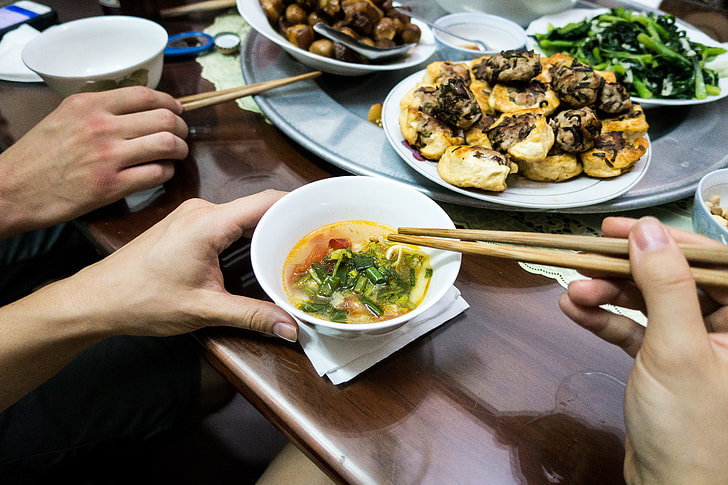
Image via pickpik
Bánh Xèo Tôm Nhảy Puts Fresh Shrimp in the Spotlight
One of Quy Nhon’s best-known specialities is bánh xèo tôm nhảy, a small, crisp rice-flour pancake cooked with fresh shrimp. The name refers to the “jumping shrimp” used in the dish, with the shrimp cooked directly in the pan as the batter is added.
The batter is usually coloured with turmeric, giving the pancake a golden appearance. Fresh shrimp and other ingredients are cooked into the thin batter before it becomes crisp around the edges. It is then eaten with herbs, vegetables and dipping sauce.
The dish is particularly interesting because it shows how seafood becomes part of an everyday local speciality rather than being reserved for elaborate seafood platters. Bánh xèo tôm nhảy is closely associated with Quy Nhon and is regularly highlighted among the city’s regional dishes.
Fish Takes a Different Form in Local Noodle Dishes
Seafood is not limited to grilled plates. Bún chả cá Quy Nhơn, or Quy Nhon fish noodle soup, is another familiar part of the local food scene. The dish combines noodles with fish cakes and fish balls in a light, fish-based broth, usually accompanied by lettuce, herbs, lime and chilli.
Another local preparation is bánh canh chả cá, which uses thicker, softer noodles with fish cakes and broth. The two dishes show how the local catch can become part of an ordinary breakfast or lunch rather than being reserved for a special occasion.
This is also where the city’s seafood culture becomes easier to understand. Fish is not simply brought to the table as a grilled fillet; it is transformed into noodles, fish cakes and broths that have become part of local eating habits.
Binh Dinh Flavours Add More Than Freshness
The seafood itself is only part of the experience. Quy Nhon sits within Binh Dinh, where local cooking makes generous use of herbs, chilli, fish sauce and fresh vegetables.
These ingredients create plenty of contrast. A simply grilled fish can be paired with a sharp dipping sauce, while fresh herbs and vegetables provide freshness alongside richer or saltier flavours. Rice and rice-flour dishes are also important in the regional cuisine, creating a natural connection between ingredients from the coast and those grown further inland.
For visitors interested in beach dining in Quy Nhon, the setting can therefore be part of the appeal, but it is the combination of local seafood and regional flavours that gives the meal its character.
Markets Show Where the Food Begins
A local market provides another way to understand Quy Nhon’s seafood culture. Rather than encountering fish and shellfish only after they have been prepared, visitors can see the ingredients being selected alongside vegetables, herbs and other produce.
Morning is particularly interesting because this is when much of the day’s fresh produce is being brought into the food supply. It also gives visitors a better sense of the variety of seafood available around the coast.
Beyond the markets, seafood stalls and casual eateries provide a more everyday perspective on local food. These places can be useful for trying smaller portions and less elaborate dishes without turning every meal into a formal dining experience.
The Setting Can Change the Meal
Quy Nhon’s coastline naturally provides different settings for eating. Small local restaurants can offer a more casual experience, while restaurants overlooking the bay combine regional food with views of the water.
Avani Quy Nhon Resort’s Tre Restaurant, for instance, serves Vietnamese and international cuisine from a cliffside setting, with dining also available on a beachside deck. Its current restaurant information describes it as an all-day dining venue, with Vietnamese dishes among its offerings.
The setting does not have to overshadow the food. A simple seafood dish can remain the focus while the sea and coastline provide the surroundings.
What to Look for When Ordering
There is no need to choose the most elaborate dish on the menu. Asking what is fresh that day can be a better starting point, particularly at restaurants where availability changes.
It is also worth trying seafood prepared in different ways. Grilled squid highlights its texture, steamed shellfish keeps the flavour simple, while bánh xèo tôm nhảy and fish cake noodles show how seafood is incorporated into local specialities.
Sharing several dishes makes this easier. One meal can move from a crisp pancake and fresh herbs to grilled seafood and a warming bowl of noodles, giving visitors a broader taste of Quy Nhon’s food culture rather than relying on a single signature dish.
