What Is Ayurvedic Oncology and How Does It Complement Cancer Care in Sri Lanka?
A cancer diagnosis often changes daily life in an instant. Questions about treatment, recovery, side effects and emotional well-being can quickly become overwhelming. If you are looking at treatment choices in Sri Lanka, you may also come across Ayurvedic oncology. What does it involve, and where does it fit alongside modern cancer care? Ayurvedic oncology does not replace surgery, chemotherapy or radiotherapy. Instead, many people explore it as an extra form of care that aims to support physical comfort, mental well-being, and recovery during different stages of treatment. Sri Lanka has a long history of Ayurvedic practice, making it one of the places where this approach continues to attract both local and overseas visitors.
What Is Ayurvedic Oncology?
Ayurvedic oncology applies the principles of Ayurveda to people living with cancer. Instead of concentrating solely on the disease, it looks at your general health. A specialised Ayurveda Oncologist will examine your body type, digestion, sleep, emotional state and daily routine before devising a treatment plan. Each person is treated according to their needs. Two people with the same cancer diagnosis may be given different recommendations because their overall health is different. The goal is not just to treat the symptoms. The goal is to help your body cope with treatment while supporting strength and wellbeing.
How Does It Work Alongside Conventional Medicine?
Cancer specialists remain responsible for medical treatment such as surgery, chemotherapy, immunotherapy and radiotherapy. Ayurvedic care can be done alongside these treatments when your medical team agrees it is suitable. Many programmes focus on helping people manage the physical and emotional effects that often appear during treatment. For example, some patients struggle with poor sleep after chemotherapy. Others lose their appetite or feel tired throughout the day. An Ayurvedic practitioner may recommend dietary changes, herbal preparations approved for your situation, massage or relaxation methods that fit around your hospital schedule. The approach works best when all healthcare providers know what treatments you receive.
Why Do People Seek Ayurvedic Support?
Every person has different reasons. Some hope to improve sleep after long hospital visits. Others want help managing stress before surgery. Many simply wish to feel more comfortable while following medical advice. Imagine spending several weeks receiving chemotherapy. Fatigue builds up. Eating becomes difficult. Sleep feels broken. Gentle massage, breathing exercises and personalised meal plans may help you feel calmer and more comfortable between hospital appointments. Small improvements in daily life can make a difficult period feel more manageable.
What Treatments May Be Included?
Your programme depends on your health and medical history. You may receive herbal preparations chosen by a qualified practitioner. These should never be taken without discussing them with your oncology team because some herbs may affect medicines. Massage forms another part of care for suitable patients. Gentle techniques may help ease muscle stiffness and encourage relaxation. Many centres also include breathing exercises, meditation and yoga adapted to your physical condition. Food also plays a central part. Instead of following one standard diet, you receive meal advice based on your digestion, appetite and current treatment stage. Each part works together rather than standing alone.
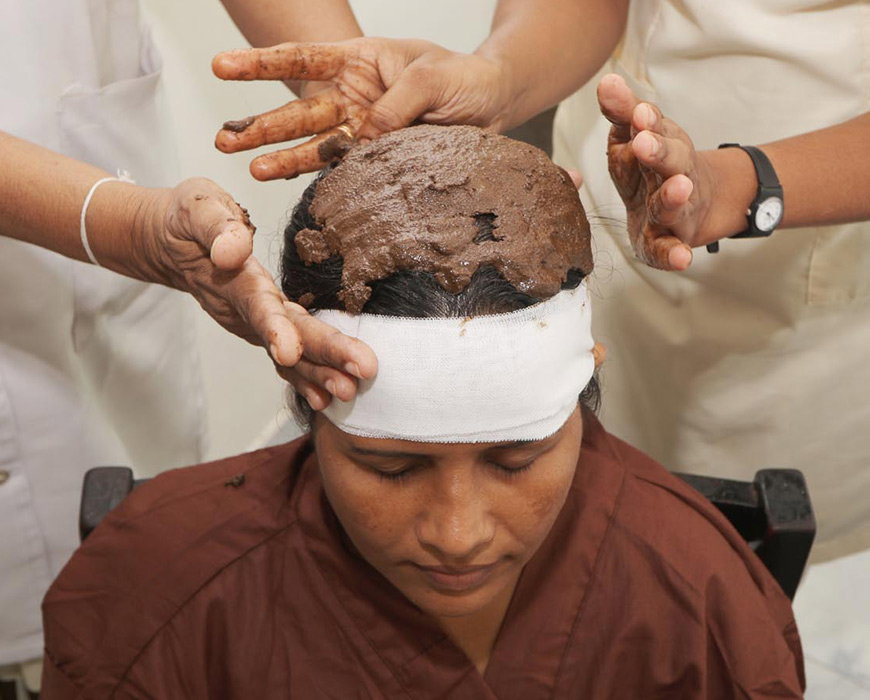
Image via Siddhalepa Hospital
Why Do Many People Choose Sri Lanka?
Sri Lanka has practised Ayurveda for centuries. The country combines trained practitioners with natural surroundings that encourage rest during recovery. Many wellness centres are found near beaches, forests or quiet countryside. Institutions like the Siddhalepa Hospital offer a respite from the hustle and bustle of daily life, while still remaining close to the medical care of larger cities. You can often combine medical appointments with time dedicated to rest, gentle exercise and balanced meals. That combination appeals to both local residents and international visitors searching for supportive care.
What Should You Ask Before Starting Treatment?
Not every centre provides the same level of care. Ask about the qualifications of the practitioners. Seek out experience working with cancer patients. Find out if they work with oncologists and other health care professionals. Ask for a clear explanation of any treatment they suggest. Ask how herbal medicines are selected. Find out how progress is monitored during your stay. Good providers answer these questions openly rather than making promises about curing cancer.
Can Ayurveda Improve Quality of Life?
Many people don’t expect dramatic changes overnight. Instead, they look for steady improvements. Better sleep. Less stress. Improved appetite. More energy for your daily activities. Greater emotional balance. These changes can help you to cope with demanding medical treatment and to maintain a better routine during recovery. Everyone’s experience is different. Results depend on your health, your cancer treatment, and the care plan prepared for you.
Making an Informed Choice
Choosing supportive care deserves careful thought. Talk with your oncologist before starting any Ayurvedic treatment. Tell about any medicines, supplements and therapies you are already taking. Open communication helps to reduce unwanted interactions and keeps your care coordinated. If you decide to explore Ayurvedic oncology in Sri Lanka, choose qualified practitioners who respect modern medicine rather than replacing it. The strongest care often comes from professionals who work together with one goal in mind. That goal is simple. Helping you feel as healthy, comfortable and supported as possible while you move through every stage of your cancer journey.
