How to Visit Xiamen's Top Attractions Without Feeling Rushed — Smart Routes, Scenic Views, Zero Stress
Some cities encourage you to slow down. Xiamen is one of them. You can spend the morning walking beneath old trees, the afternoon exploring quiet streets and the evening watching the sea without feeling the need to race between attractions. Yet many first-time visitors do exactly that. They arrive with a long checklist, squeeze too much into each day and leave feeling as though they barely experienced the city. It does not have to be that way. Xiamen works best when you travel at its pace rather than your own. A little planning helps you see the city's well-known sights while leaving enough time to notice the details that many visitors miss. Sometimes those smaller moments become the highlight of the trip.
Choose One Area for Each Day
A packed itinerary may look productive. It often creates unnecessary travelling. Xiamen's attractions are spread across different parts of the city. Moving back and forth several times in one day wastes time that could be spent exploring. Instead, divide your visit into areas. You could spend one day around Gulangyu Island, another around Nanputuo Temple and Xiamen University, then leave Zhongshan Road and the waterfront for a separate afternoon. The city begins to feel much easier to explore when you stop treating every attraction as part of the same route.
Visit Gulangyu Island Early
Many visitors place Gulangyu Island at the top of their itinerary. For good reason. The island offers historic buildings, narrow lanes, gardens and coastal views that encourage wandering rather than rushing. Take one of the earlier ferries if possible. The streets remain quieter, making it easier to enjoy the atmosphere before larger tour groups arrive. Do not plan every stop. Walk without constantly checking a map. One quiet lane or hidden courtyard may stay in your memory longer than the places listed in every guidebook.
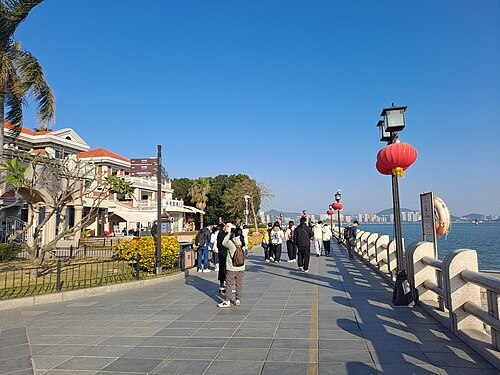
H2v5o68z, Gulangyu 16, CC0 1.0
Keep Temple Visits Relaxed
Nanputuo Temple attracts visitors throughout the year. Some spend less than thirty minutes there before moving on. You should not miss out on the experience and feel of the place. Walk through the grounds at an unhurried pace. Listen to the sounds around you. Notice how local visitors spend their time rather than focusing only on photographs. If you enjoy walking, consider exploring the nearby hillside paths after leaving the temple. The views across Xiamen reward anyone willing to climb a little higher. There is no need to rush back to the city straight away.
Use Public Transport to Save Time
Traffic builds up during busy periods. Often public transport can be the more convenient option. The Xiamen metro is a good way to get around the city without the headache of finding a parking spot or long taxi rides, connecting several parts of the city. Each morning before you leave your hotel, check which stations are closest to where you want to go. Your choice of accommodation within the city can make a big difference to your transit times. When looking at premium Xiamen hotels, choosing a property that offers both central connectivity and a peaceful setting can change the whole tone of your trip. Staying at an established waterfront option like the Pan Pacific Xiamen gives you straightforward access to the financial district and ferry terminals, allowing you to seamlessly step away from the bustle at the end of the day.
Do Not Skip Zhongshan Road After Dark
Many travellers visit Zhongshan Road during the afternoon. The street changes once evening arrives. Lights appear above shopfronts. Food stalls become busier. Families and groups of friends gather after work. The atmosphere feels more relaxed. Take your time. Browse local shops, stop for snacks and simply watch the flow of people moving through the area. You do not need a strict plan here. Some of the best discoveries happen when you follow your curiosity instead of an itinerary.
Leave Space for Local Food
It is easy to schedule sightseeing from morning until evening. Meals deserve attention as well. Xiamen has a food culture shaped by its coastal location. Seafood appears on many menus, while local snacks can be found throughout busy streets and smaller neighbourhoods. Do not settle for the nearest restaurant because your timetable feels full. Take time to explore. You may come across a family-run café tucked into a side street or a small shop serving dishes that local residents queue for every day. Those meals often become part of the travel story.
Walk Along the Coast Without Watching the Clock
The coastline gives Xiamen a different feel from many large cities. A walk beside the sea offers a welcome break from museums, temples and shopping streets. Some visitors rush through this part because it does not appear on every list of famous attractions. That is a mistake. Find a bench. Watch cyclists pass by. Listen to the waves for a while. Not every hour of a holiday needs to involve another attraction. Sometimes doing less creates stronger memories.
Accept That You Cannot See Everything
Many visitors place pressure on themselves. They want to fit every museum, temple, park and shopping street into a short stay. The result often feels exhausting. Ask yourself what interests you most. Historic buildings? Food? Coastal scenery? Local neighbourhoods? Build your itinerary around those interests instead of trying to copy somebody else's schedule. The places you skip today give you a reason to return another time.
Notice the City Between Attractions
One habit separates relaxed travellers from rushed ones. They pay attention to what happens between destinations. A street musician playing near a park. Children flying kites beside the waterfront. Elderly residents chatting outside small cafés. Those scenes rarely appear in travel brochures. They help you understand the city far better than another quick stop for a photograph. Slow your pace. Look around. Xiamen reveals itself gradually. When you stop treating every attraction like a deadline, the city becomes easier to appreciate. You leave with more than a collection of photographs. You leave with memories of the places, conversations and quiet moments that happened when there was finally enough time to notice them.
