Why Yangon’s Colonial Charm Still Captivates Travellers - A City Where History Is Worn, Not Preserved Behind Glass
Yangon does not present its past as a polished museum exhibit. Instead, it wears history openly — in weathered façades, shaded verandas, and grand buildings softened by time and tropical air. The city’s colonial-era architecture, inherited from British rule, forms one of the largest and most intact collections in Southeast Asia. What captivates travellers is not perfection, but authenticity. Yangon feels lived-in, textured, and human, offering an atmosphere where history is not frozen but quietly coexisting with everyday life.
What Sets Yangon Apart from Other Colonial Cities
Unlike colonial districts elsewhere that have been heavily restored or commercialised, Yangon retains a raw visual honesty. Neoclassical banks, administrative buildings, and merchant houses still function as offices, apartments, and shops. Peeling paint, arched windows, and wrought-iron balconies tell stories of trade, empire, and transition. This lack of over-curation allows travellers to experience the architecture as part of the city’s rhythm rather than as staged heritage. Walking through downtown Yangon feels immersive — less like sightseeing, more like stepping into a living timeline.
Architecture That Reflects Power, Trade, and Cultural Exchange
Yangon’s colonial buildings reveal more than aesthetic beauty; they reflect a layered history of governance, commerce, and migration. Structures built to project authority now sit beside tea shops and street vendors, creating visual contrasts that define the city’s character. Influences range from Victorian and Edwardian styles to Indo-Saracenic design, reflecting the city’s role as a major port connecting South Asia, Southeast Asia, and Europe. Even your popular Yangon hotel reflects this vibe. You can clearly see this at places like Chatrium Hotel Royal Lake Yangon.
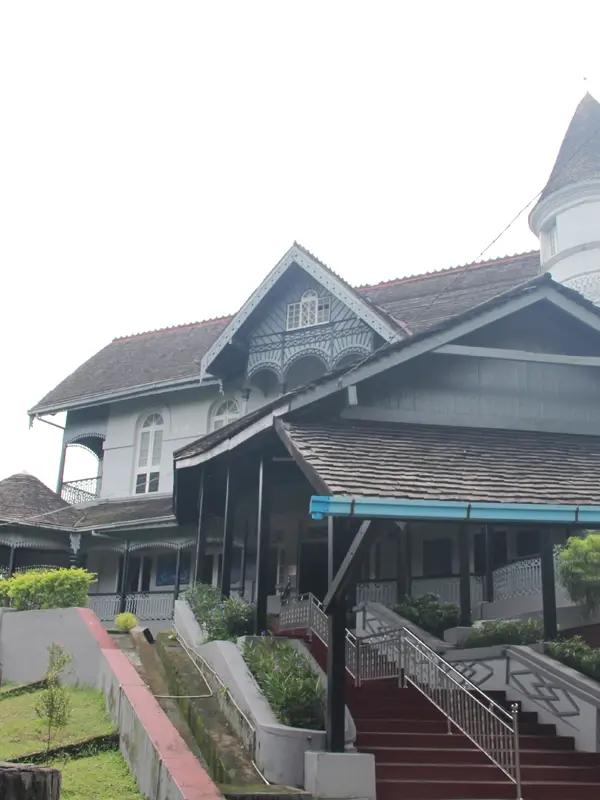
Image via Chatrium Hotel Royal Lake Yangon
Why the Downtown Streets Feel Cinematic
Yangon’s downtown grid amplifies its colonial charm. Wide streets lined with banyan trees, long colonnades offering shade, and symmetrical building rows create a cinematic sense of scale. Light filters through balconies in the late afternoon, casting shadows that soften even the most imposing structures. Street life flows naturally through these spaces — buses rumble past century-old façades, vendors set up stalls beneath colonial arches, and pedestrians move between eras without pause. This seamless blend of past and present gives Yangon a visual mood that photographers and travellers find endlessly compelling.
The Human Element That Brings Buildings to Life
What truly keeps Yangon’s colonial charm alive is not the architecture alone, but the people who inhabit it. Families live in the upper floors of old buildings, shopkeepers operate beneath grand porticos, and office workers navigate staircases worn smooth by decades of use. These daily interactions prevent the city from feeling nostalgic or distant. Instead, the architecture becomes a backdrop for real life — imperfect, resilient, and deeply personal. Travellers sense this immediacy, recognising that Yangon’s charm lies in continuity rather than restoration.
A Slower Pace That Encourages Observation
Yangon moves at a gentler pace than many Asian capitals, and this slowness allows its colonial details to be noticed rather than rushed past. Travellers linger on foot, drawn to faded signage, shuttered windows, and ornate cornices overlooked in faster cities. Cafés housed in old buildings invite pauses that feel intentional, offering time to absorb surroundings rather than simply pass through them. The absence of aggressive redevelopment in many areas has preserved visual coherence, making exploration feel calm, reflective, and rewarding.
Why Colonial Charm Still Resonates Today
Yangon’s colonial character endures because it offers something increasingly rare: a sense of place that has not been aggressively rebranded. The city does not attempt to rewrite its past or overly romanticise it. Instead, it allows history to exist honestly, alongside modern challenges and everyday life. For travellers, this creates a deeper emotional connection — one rooted in realism rather than spectacle. Yangon captivates not by dazzling, but by inviting quiet attention, proving that charm does not need restoration to remain powerful.
