Why is Chennai Called the Cultural Capital of India?
Chennai has built its cultural reputation over centuries through traditions that continue to shape the city’s rhythm each day. Visitors immediately notice how music, dance, architecture, language, crafts, and festivals mingle across neighbourhoods, giving the city a distinctive identity. The cultural landscape is supported by artists, teachers, families, and institutions who pass on knowledge through both practice and community life. This continuity and dedication create an environment where heritage is not displayed as a formality but lives actively in daily routines.
Classical Arts and Performance Traditions Form the City’s Artistic Core
Chennai’s classical arts remain one of the most recognisable elements of its cultural character. The city hosts the Margazhi music season every year, during which performers present Carnatic compositions across halls, sabhas, and intimate performance spaces. These events draw students, families, and international visitors who dedicate their time to listening, learning, and observing the artistry involved in these traditional compositions.
Dance schools throughout Chennai preserve Bharatanatyam training through structured lessons that teach rhythm, storytelling, and expressive technique. Public performances take place year-round in cultural academies, creating opportunities for new dancers to showcase their progress while established performers present sophisticated compositions. This strong foundation in classical music and dance gives Chennai an unmatched depth in performing arts, contributing significantly to its identity as a cultural centre.
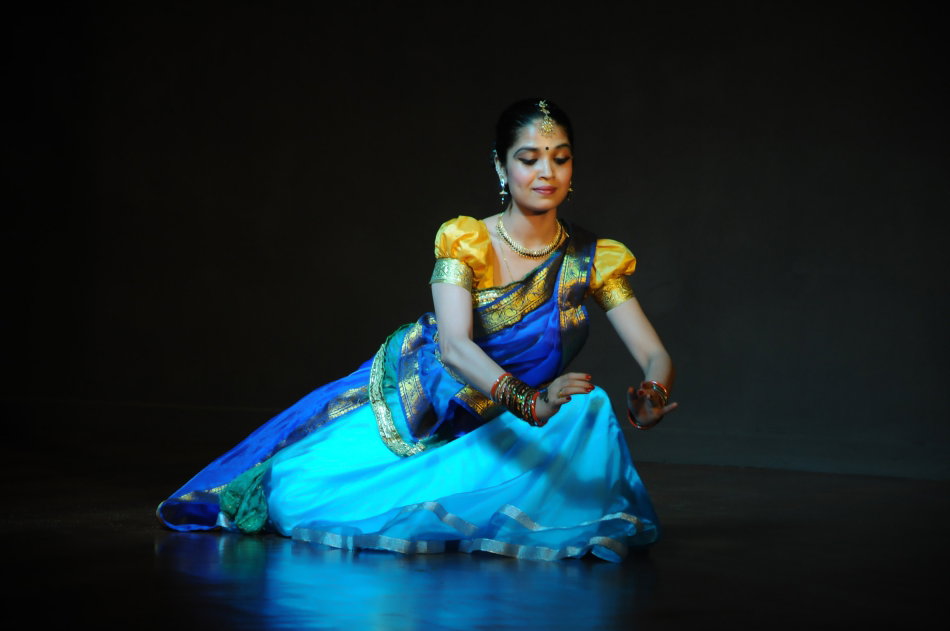
Adarsh Upadhyay, Kathak Dance India October 2012, CC BY-SA 2.0
Heritage Architecture and Urban History Shape Chennai’s Cultural Landscape
Chennai’s long history is reflected in its temples, public buildings, and preserved districts. Ancient temple complexes have intricate sculptures and patterns that show how artistic styles changed over time. These buildings are still important cultural spaces where rituals and festivals are still held, linking modern life with centuries of tradition.
Colonial-era buildings add another layer to the city’s heritage. Wide verandas, arches, and restored institutional structures show design influences that shaped the region’s administrative and educational development. Museums located throughout the city preserve artefacts that trace the region’s evolution from early maritime trade to present-day urban growth. Travellers seeking access to cultural areas often choose convenient city locations, including stays at properties such as Turya Chennai, which offer practical access to neighbourhoods rich in architectural and historical significance.
Language, Literature, and Everyday Practices Strengthen Cultural Continuity
The Tamil language forms a major pillar of Chennai’s cultural life. Literary works ranging from ancient poetry to contemporary writing maintain a strong presence in academic circles, theatres, and public reading events. Stage performances, recitations, and community storytelling sessions bring these narratives to wider audiences, encouraging children and adults to engage with Tamil literature.
Daily customs are also very important in shaping Chennai's cultural scene. During their morning routines, people make kolam patterns outside their homes, cook seasonal foods that are connected to festivals, and follow traditions that are based on family and community values. Craft makers still weave textiles, make pottery, and work with metal in workshops that supply markets all over the city. Families who want quick access to cultural districts often compare their stay options with those recognised as the best hotels in Chennai, especially when they want to explore literature, theatre, and traditional crafts across multiple neighbourhoods.
Community Participation and Cultural Institutions Sustain Chennai’s Identity
Cultural growth in Chennai is driven by participation rather than preservation alone. Music academies, dance schools, and arts organisations offer classes, rehearsals, and mentoring throughout the year. These institutions support the transfer of knowledge between teachers and students, ensuring that traditional forms continue through consistent practice rather than occasional celebration.
Local markets contribute to this continuity. Textile districts display handloom patterns created using regional weaving techniques, while flower markets supply garlands for rituals and performances. Coastal communities also maintain practices related to fishing, trade, and folklore, showing how cultural expression thrives in both urban and traditional neighbourhoods. Through these combined influences, Chennai maintains a cultural identity built on active engagement and community life rather than symbolic representation.
