Why Chanthaburi Stands Out for Gems, Greenery, and Local Life
The country of Thailand is among the most visited nations in the world, and it is with good reason. Thailand has amazing landscapes, a tonne of fun activities, as well as cuisine to die for. For someone looking to enjoy nature and local culture to its fullest, Chanthaburi is a great spot. Located on the eastern side of Thailand as a province, Chanthaburi is shaped by forests, rivers, old trading communities, as well as a gemstone legacy that spans many generations. While Chanthaburi receives less attention than Thailand’s well-known destinations, travellers who arrive here find a place full of depth, authenticity and a slower pace of life.
Finding Comfort, Warmth, And Ease During Your Stay
Travellers visiting Chanthaburi usually are folks looking to enjoy the area at a slow pace. The ideal base for their stay should also reflect that feeling. The region offers various forms of restful lodging, epitomised by options such as the Chatrium Golf Resort Soi Dao Chanthaburi. As an example of a peaceful Chanthaburi hotel surrounded by open landscapes and quiet greenery, it demonstrates how accommodations can encourage guests to ease into the tranquil pace that defines this part of Eastern Thailand. Waking up to expansive views and the sound of nature helps create the kind of morning that gives a great start to the day. Staying somewhere with this kind of peaceful atmosphere makes it easier to enjoy everything the province provides without feeling rushed, offering a convenient base for exploring historical streets, forested areas, and small community markets.
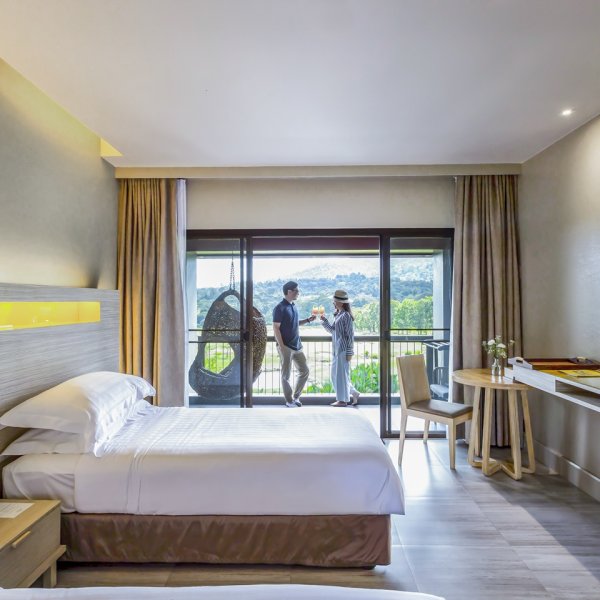
Image via Chatrium Golf Resort Soi Dao Chanthaburi
A Gem Trading Legacy
For many generations, Chanthaburi has been a central part of Thailand’s gem trading history, particularly in rubies and sapphires. The Chanthaburi Gem Market is the perfect place to visit to get an idea of the history behind the gems. This is a place where buyers, sellers, and collectors, as well as local artisans, meet on a weekly basis, and the market is one of the largest gem trading spots in Thailand. You will be able to see gem traders examine stones closely, while jewel cutters shape rough pieces with remarkable skill, and polishing experts bring out brilliance through steady hands. Even travellers not looking to buy gems find the experience fascinating because it provides a close look at a craft that has shaped the region’s economy and culture for decades.
Riverside History with Cultural Roots
Chanthaboon Waterfront Community is one of the most historically rich areas in the province. Lined with a plethora of wooden houses, riverside shophouses, as well as a number of small family-run cafes, the neighbourhood is the perfect example of the multicultural influences that have shaped Chanthaburi over time. Thai, Chinese and Vietnamese influences show themselves across the architecture, food and traditions found here. Travellers walking through the narrow lanes can see residents running their daily businesses, children playing near the river, and families preparing evening meals.
Forest Trails, Waterfalls, and Coastline Beauty
Chanthaburi’s natural environment is one of its biggest strengths. The province has quite a varied landscape that includes forests, coastal areas, and rivers, as well as a number of waterfalls. Namtok Phlio National Park is among the most frequently recommended attractions, providing cool forest trails, clear pools and refreshing waterfall scenery. The province also has a few protected mangrove forests that are a part of Thailand’s coastal ecosystem. The combination of the views of the mountain, forest greenery and coastal habitats makes Chanthaburi ideal for those who appreciate variety in their natural surroundings.
Flavours And Produce Rooted in Local Life
Chanthaburi has a well-known reputation for its fruit orchards and fresh seafood, as well as local produce. The region is particularly famous for durian and mangosteen, which flourish in fertile land and a tropical climate. Travellers visiting during harvest periods see fruit stalls lining the roads, which sell produce straight from the orchards. This connection to farming shapes much of the local cuisine, which features dishes made from ingredients grown nearby or caught along the coast. Traditional markets provide a more in-depth understanding and connection to daily life in the province. Rows of vendors sell vegetables, fruit, snacks and prepared meals, which in turn creates an experience of fragrance, colour and flavour.
