What Makes Otaru in Hokkaido a Must-Visit Destination This Winter: Winter as the Lens to Understand Otaru
Winter reveals Otaru at its most functional. Snow, coastal air, and preserved infrastructure show how geography and trade history continue to shape everyday life. Here’s how it comes together.
1. A Port City Shaped by Winter Geography
Otaru lies along the Sea of Japan on the western side of Hokkaido, and its winter conditions are shaped as much by the coast as by the hills behind the city. The nearby ocean softens temperature swings, so winters tend to be steady rather than sharply severe. Snowfall remains regular, but extreme cold is less pronounced than in inland towns, giving Otaru a winter climate that is cold, workable, and consistent rather than harsh. It is, however, always advisable to prepare for rougher weather just in case.
2. The Otaru Canal as Functional Winter Infrastructure
The Otaru Canal was constructed for freight handling, not tourism. Its narrow width, stone-lined banks, and warehouse-facing design were intended to speed cargo movement from ships to storage in all weather conditions.In winter, the canal area starts to show why it was built the way it was. Snow settles into the gaps between buildings and along heavy stone walls, making it clear that warmth and shelter were priorities from the start. The warehouses are positioned close together, not for appearance, but to block wind and reduce heat loss.The canal itself sits close to the street, which means people don’t have to travel far outdoors to move between spaces. Even in colder weather, the area stays active without needing major adjustments. Winter doesn’t interrupt how the canal is used; it simply becomes part of the setting. Daily movement continues much as it does in other seasons, shaped by snow rather than stopped by it.
3. Snow Management and Pedestrian Design
Winter liveability in Otaru depends on structured snow management. Priority routes include harbourside roads, rail-adjacent streets, and pedestrian corridors connecting the station to central districts. Snow clearing follows daily-use patterns rather than visitor traffic.Snow also changes how the city sounds and feels. It absorbs noise, softens traffic movement, and creates quieter streets. Visibility improves, movement slows, and the city becomes easier to navigate on foot.Gentle elevation changes further reduce strain compared to hillier coastal towns in Hokkaido.
4. Seasonal Light and the Snow Light Path Festival
The Snow Light Path Festival works with Otaru’s existing streets rather than transforming them. Snow lanterns and candles appear along canal paths, residential roads, and harbour routes already used by locals.There are no large stages or performance zones. Instead, the focus stays on the contrast between darkness, reflected snowlight, and warm illumination. This approach mirrors how winter evenings normally unfold in the city.Evening schedules are intentionally brief, shaped by seasonal daylight and the fact that the area remains a working residential space.
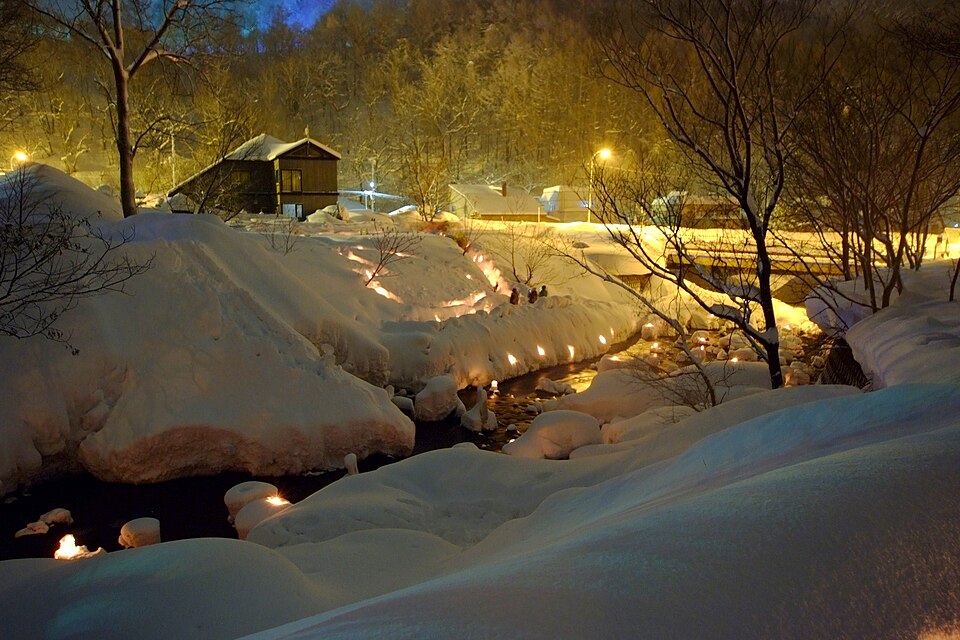
t-konno, 小樽雪あかりの路2013(Otaru Snow Light Path 2013) - panoramio (2), CC BY-SA 3.0
5. Indoor Craft Traditions and Winter Continuity
Otaru’s glassmaking studios and music box workshops trace their roots to the city’s trading days. As winter conditions limited work along the port, craftsmen continued their trades indoors in buildings constructed to withstand cold temperatures.Many of these workshops now occupy former warehouses. Their thick stone walls and solid construction help keep temperatures steady, even in winter. Rather than closing down, activity simply turns inward. Visitors tend to spend longer inside each space, watching artisans work, listening to demonstrations, and moving at a slower pace between locations.Because so much of this craft culture happens indoors, it remains active throughout winter without depending on outdoor conditions.
6. Cold-Water Seafood and Winter Eating Patterns
The Sea of Japan supports cold-water species that peak during winter months. Crab, scallops, and white fish become central to local menus, prepared in ways that prioritise warmth and practicality.Restaurants follow resident demand rather than seasonal tourism trends. Warm broths, simply grilled fish, and rice-based dishes are common during the winter months. Restaurants keep regular hours, and daily routines continue without much change, showing that winter here is treated as a normal season rather than an interruption.For travellers researching the best hotels in otaru, proximity to these working dining districts often becomes a practical factor during winter conditions.
7. Winter Transport Reliability
While trains and buses do experience delays, Otaru Station sits close to the canal area and central streets, which means most key areas can be reached on foot without long exposure to cold conditions. Because of this, visitors do not depend on taxis or local buses during winter, thanks to this convenient proximity between attractions. However, it is always advised to allow a little extra time for travel to account for any road closures or issues with transport.
8. Coastal Placement and Urban Clustering
Buildings in Otaru cluster near the harbour for practical reasons. Coastal placement reduces exposure to inland winds and shortens travel distances during winter.This pattern continues in modern development. Properties such as Grand Park Otaru are positioned along the harbour in line with how the town originally developed, where access to the sea and protection from winter conditions mattered more than spreading inland. Their placement reflects practical decisions tied to port activity and seasonal weather rather than modern expansion patterns.This continuity reflects adaptation to winter geography rather than reinvention.
9. Why Winter Explains Otaru Best
Winter simplifies Otaru. Snow reduces visual clutter, shortens days, and slows movement. What remains is structure: the canal, the port, the streets, and the routines built around them.Trade patterns, food culture, and infrastructure remain intact, only quieter and more visible. For travellers interested in how a city actually functions, winter offers the clearest view.
